
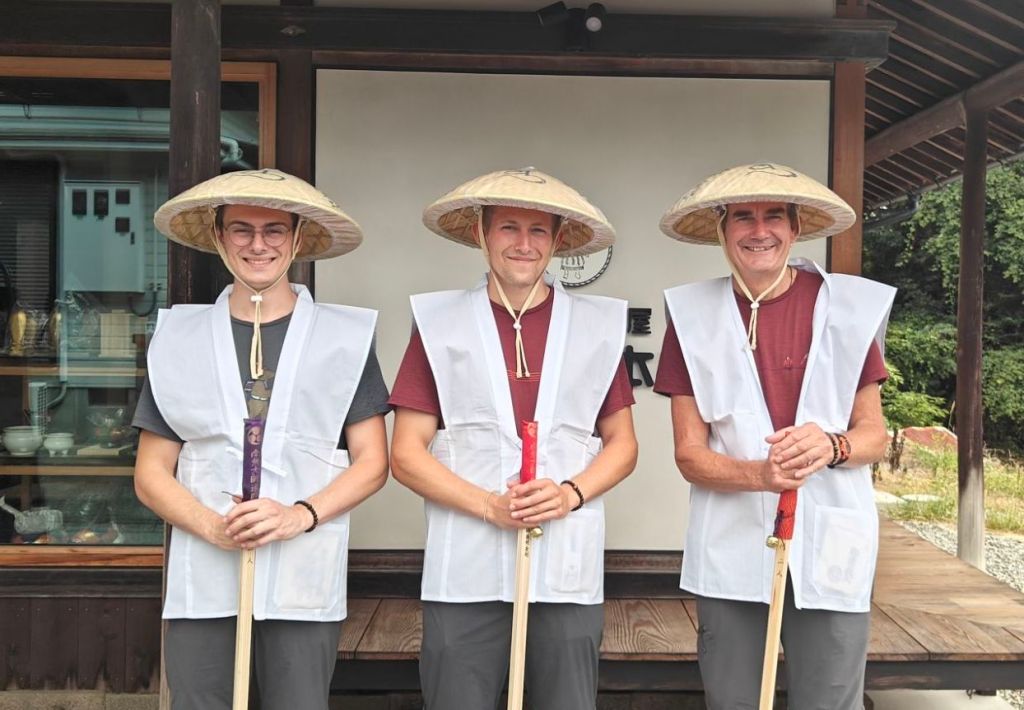
From the comfort of our couch on a frosty fall morning, I figured I’d add one last recap of our Shikoku adventure. But since then it’s been sitting in the ‘drafts’ folder, so here, finally, it is!
It is a challenging pilgrimage, not just because of language barriers – although apps like Google or Apple translate have removed many of those – but also because of the route surface, accommodation challenges and weather. September is usually rainy season, but after getting very wet in the first week, we only had to deploy rain gear on 3 other days. Perhaps the weather gods recognized our preparedness once we started carrying the ubiquitous clear plastic umbrellas on our backpacks. Every business or home seems to have a supply of these umbrellas, and often it’s not really necessary (or possible) to identify which one is yours because there are so many identical umbrellas in the stand. What we didn’t expect was the humidity, and on the rainy days we generally got wetter from the inside out. This realization is what led to the carrying of umbrellas!
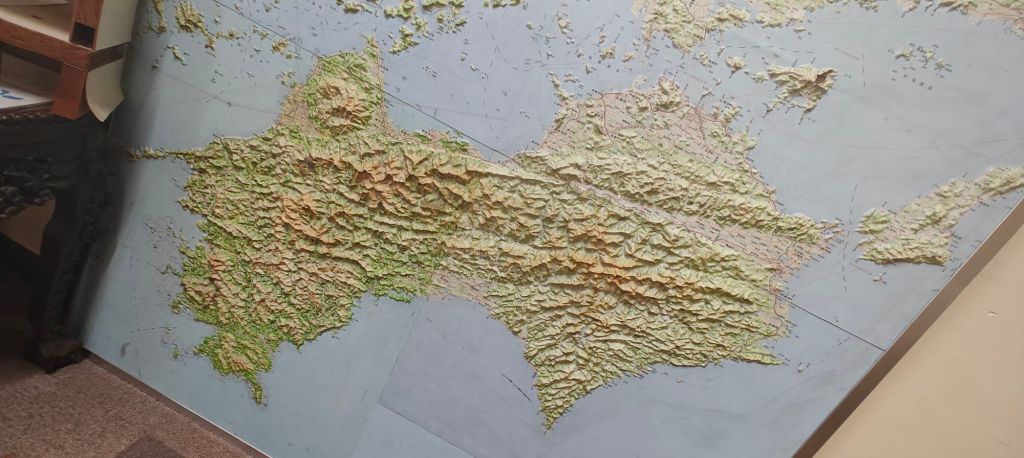
Shikoku is extremely rugged, with sheer-sided hills plunging abruptly into narrow valleys or coastal plains. Rarely were there any buildings on the hillsides, and homes in the valleys are very compact, and exhibit a certain sameness no matter which part of the island you are in. Many are traditionally designed housed with magnificent tile roofs, but the newer ones are compact slab-sided modern homes minimizing their footprint while (presumably) maximizing their interior living space. Generally speaking no one has yards – although there are probably areas where the well-heeled have western style homes with lawns etc. Our pilgrims’ path certainly wasn’t routed past any!
There also seemed to be a complete lack of public spaces. European towns and villages invariably have plazas or squares where people gather, but other than temples, we didn’t see anywhere where people can meet. Maybe this is by design! I got a sense that in both Kyoto and Tokyo the main train stations function as the cities’ centre. They are both bustling places processing massive crowds on a daily basis with shopping malls and a proliferation of eating (and drinking) places either built in or nearby.
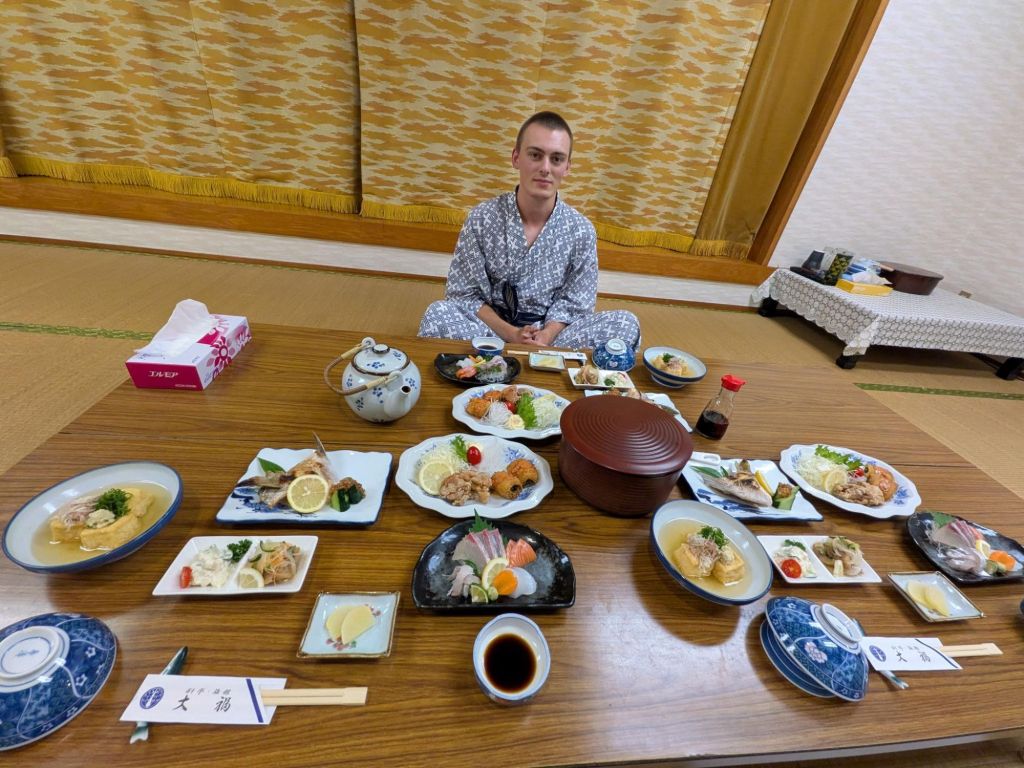
We really enjoyed the food, consuming nearly everything that was put in front of us where meals were provided – although the natta (mung beans) we passed on after our first introduction! Lots of raw fish (sashimi, nigiri and sushi), many and varied pickled things, some of which will forever remain a mystery, but also lots of ‘brown’ food such as pork cutlets, karaage chicken and tempura, and high sodium udon and ramen. Generally food was cheap, while accommodation was expensive. Japanese breakfasts we found challenging due to their volume and content – a big bowl of rice was not really that appealing when you have 25 km to walk. It would have been great if you could go back to bed for a nap after a Japanese breakfast!
The convenience stores are amazing with the range of products they sell, and much of their food is very good. In Tokyo in the evening these stores are packed with office workers buying their evening meals. Most stores have at least half an aisle dedicated to instant noodles, and provide the hot water to ‘make’ them. Usually there is no where to consume them, so customers est them in their vehicles in the parking lot. Due to the heat, we often treated ourselves to a late day sugar boost in the form of icecreams. Conservatively I think we tried 50+ different types of icecreams, popsicles and frozen fruit treats. One of the most unusual was a whole banana on a popsicle stick, dipped liberally in chocolate and frozen!
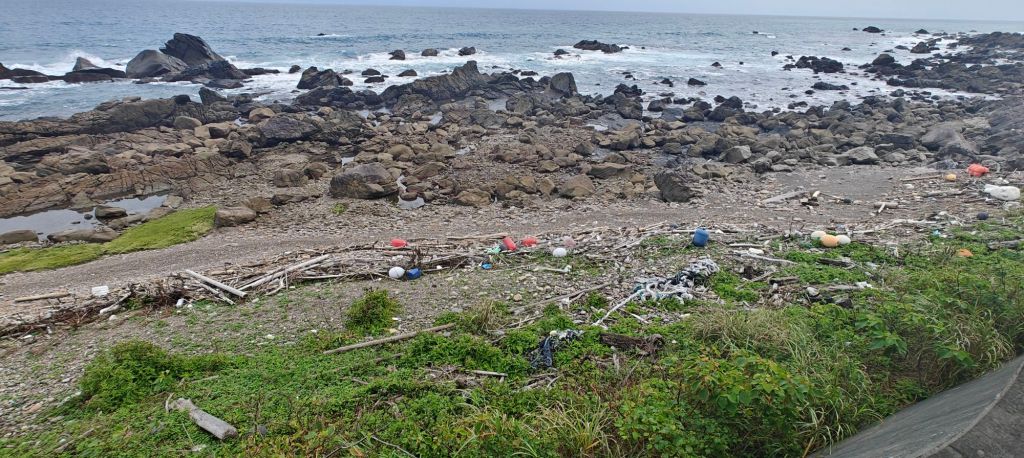
Most visitors gush about the cleanliness of Japan, aided by the fact that there are no public garbage bins anywhere. Therefore the cities are litter free – although the convenience stores seemed to tolerate non customers dropping off their garbage. Only plastic bottles, drink cans and glass bottles are recycled. Everything else is considered burnable. Japan’s use of plastic is only exceeded by the country’s use of concrete. Everything is wrapped in plastic – sometimes multiple layers. Even bananas come in plastic. However, in rural Shikoku the litter would give Italy a run for its money, with the usual single items tossed from cars as well as bags of garbage tossed out wherever the opportunity exists. And the southern coast of Shikoku has unbelievable garbage pollution, not just household items but also vast quantities of fishing equipment washed up. Their environmental attitude also extends to vehicles. While we have no idling laws, in Shikoku it was common to observe folks sitting in cars with the engine running in order to keep the AC on. Often cars parked at convenience stores with no one in them would have the engine running, and perhaps the most extreme example was a woman who parked outside the giant supermarket and went shopping. We left 20 minutes later and she was nowhere in sight!
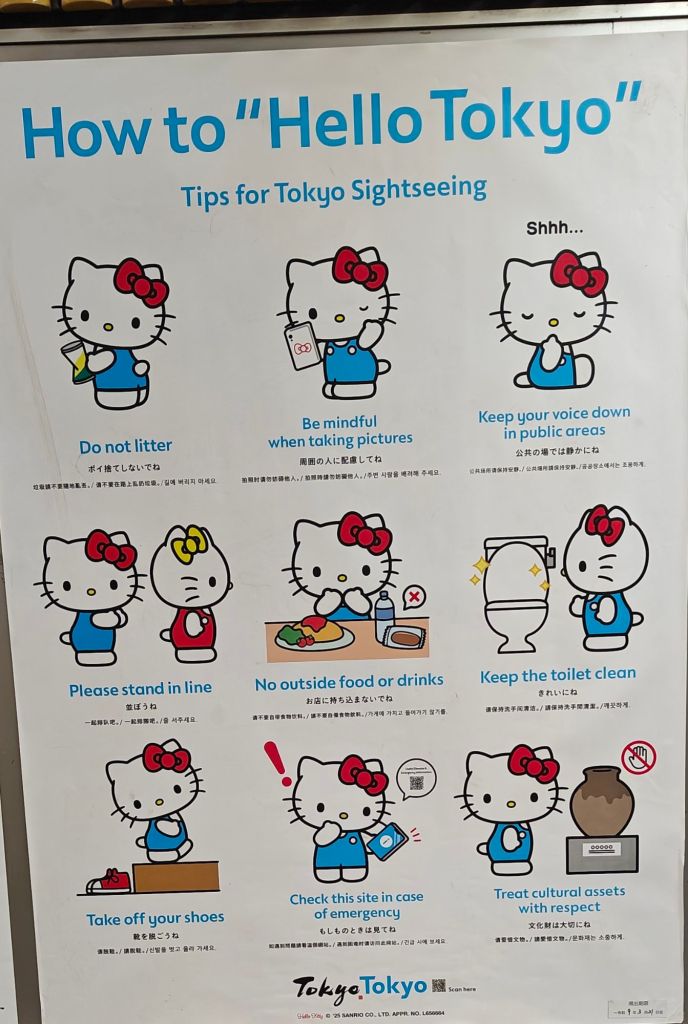
Our brief visits to Kyoto and Tokyo were great – even if the Kyoto weather was not very cooperative. We were a bit templed-out to enjoy Kyoto’s most famous sights, but the throngs of tourists, some who had no idea of Japanese social norms, didn’t help. Tokyo, as a huge mega city, seems to absorb the tourists better. Perhaps as there are so many foreigners already living and working there, the tourists are not so conspicuous, and there are fewer ‘must see’ attractions in a compact area. It felt like Kyoto is a place to see stuff, whereas Tokyo is a place to experience. Tokyo was remarkably quiet for a big city, helped by the Japanese not honking car horns, ringing bicycle bells, talking on the phone in public or even speaking loudly in public places helped.
Apps like Google or Apple make what a few years ago would be nigh on impossible without speaking some Japanese to manageable today. Accommodation (or lack thereof) in certain parts was exasperating, as was planning an itinerary around the numerous long weekends and local festivals in October, and the predominance of paved roads exhausting. We took every non-road option available, but at least 90% is on paved surfaces. On the plus side – and a huge plus – was the friendliness of the Shikoku locals. Everyone was helpful and welcoming despite the language barrier. Doing the walk with Sam and Max added a fun dimension with their enthusiasm to try any and all foods, eagerness to search out onsens (local public baths) and ability to grasp words and phrases of Japanese that evaded my hearing and/or memory! It would have been a lonely and more challenging walk without them.
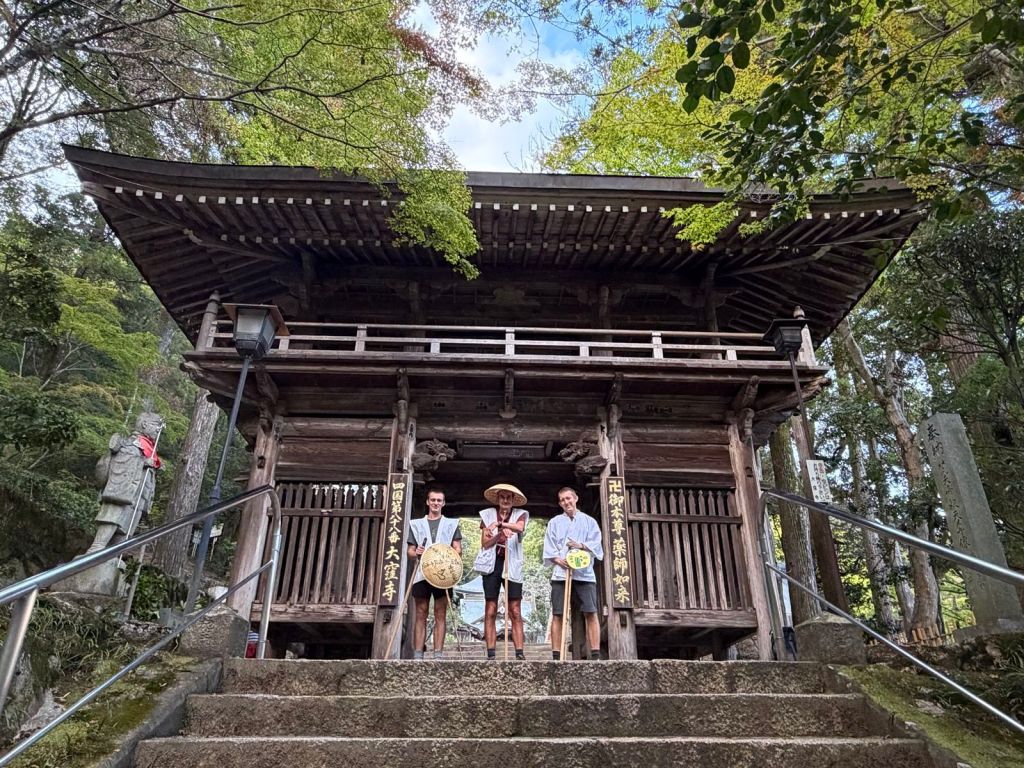
For those interested in stats, we walked 1,199.8 km, gained 27.141m in elevation (and descended the same amount given we ended up back at Temple 1) and spent 246 hours actually walking…. if my app is to be believed. In the spring I also covered 1,144 km, 21,096m elevation and a further 230 hours. It’s been a big year! In March I weighed in at 183 lbs (83kg) and now I’m a more svelte 168 lbs (76kg). No need for a GLP-1 prescription just yet!
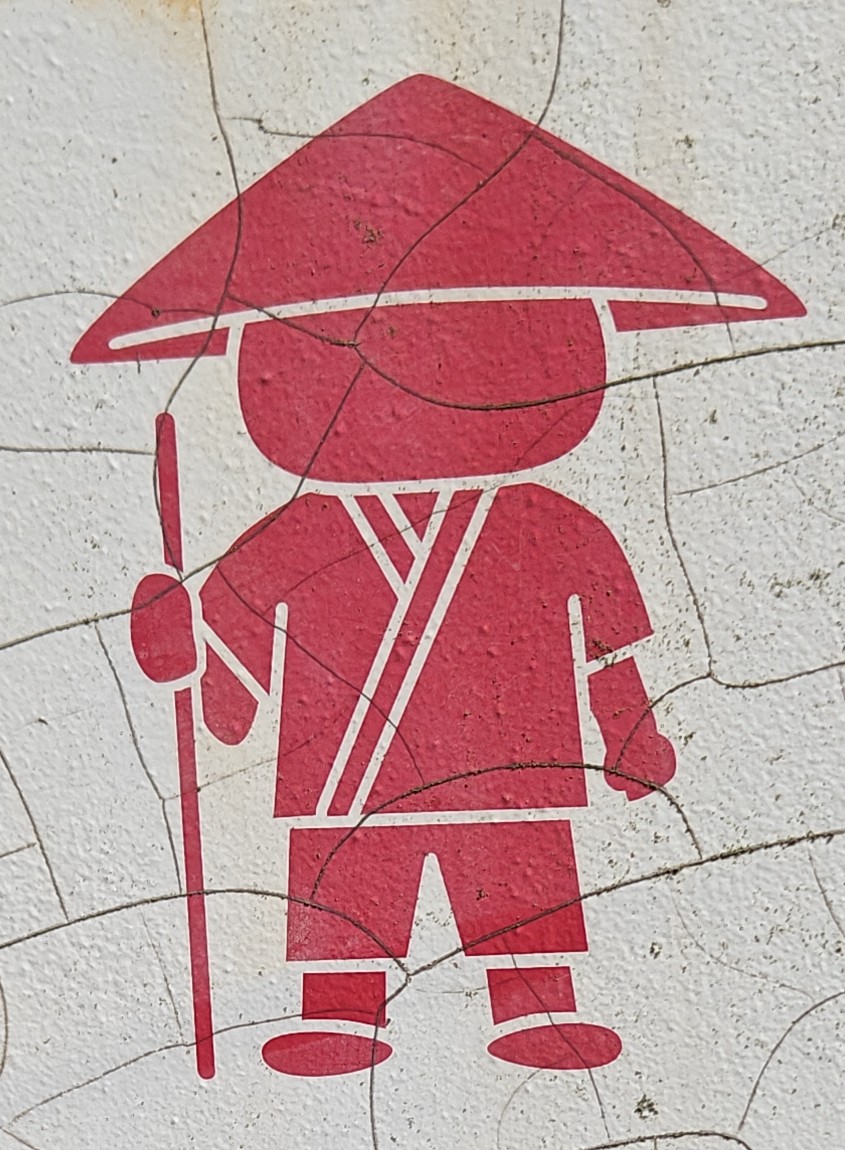
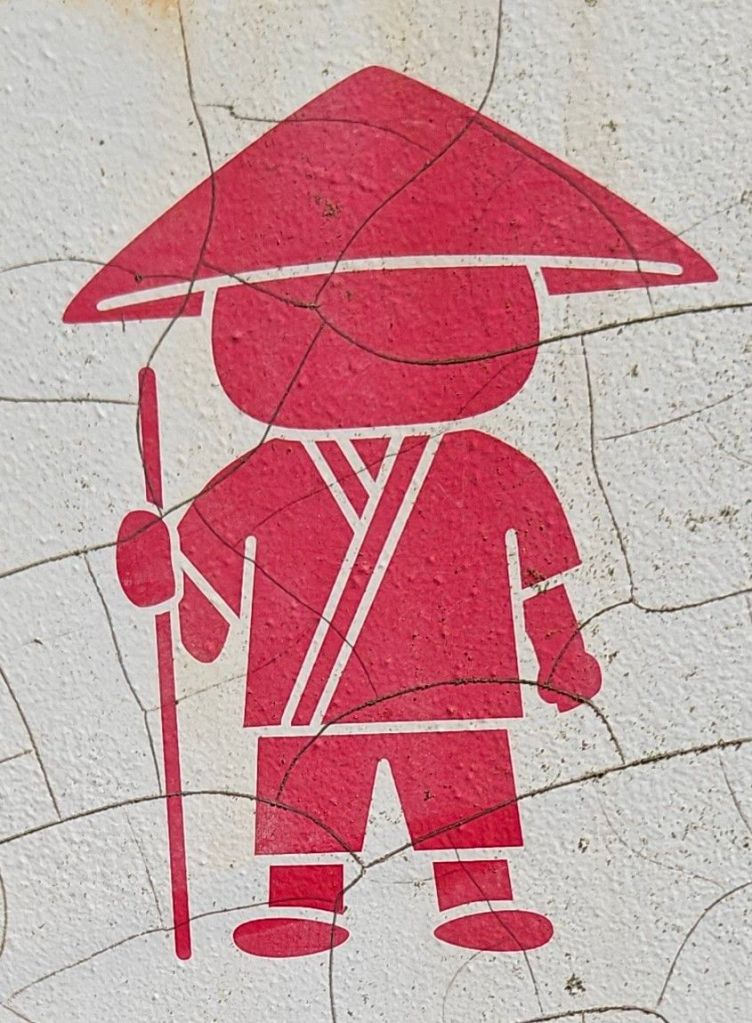
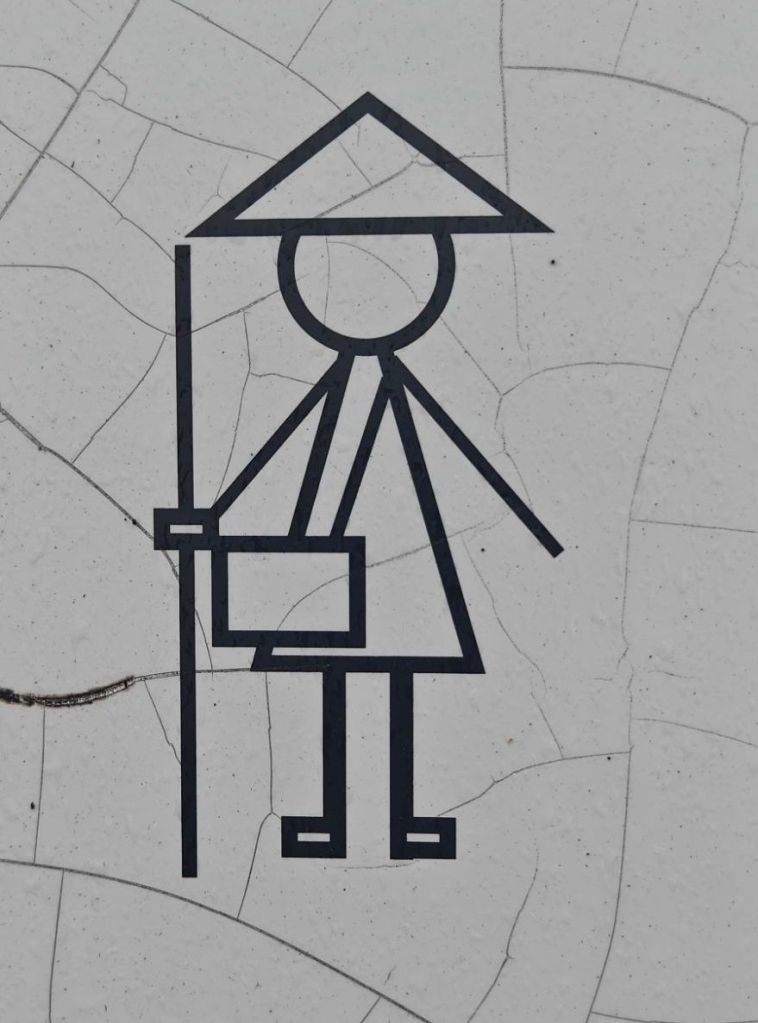
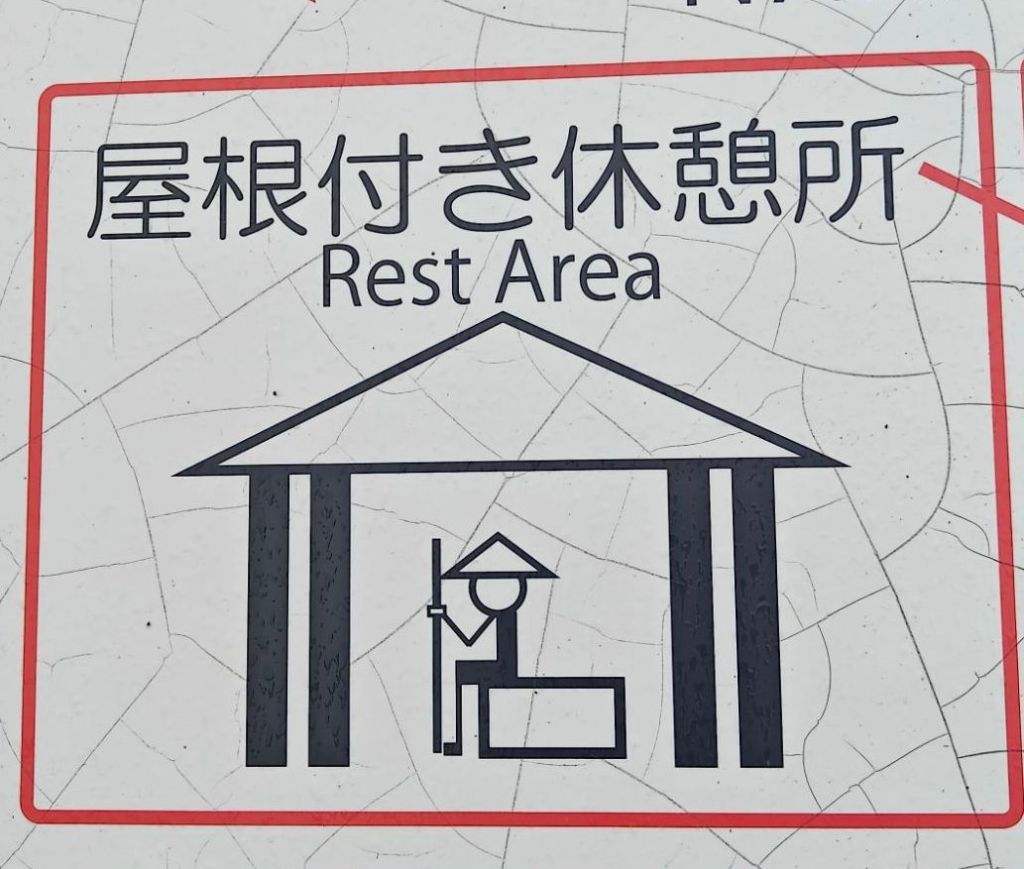
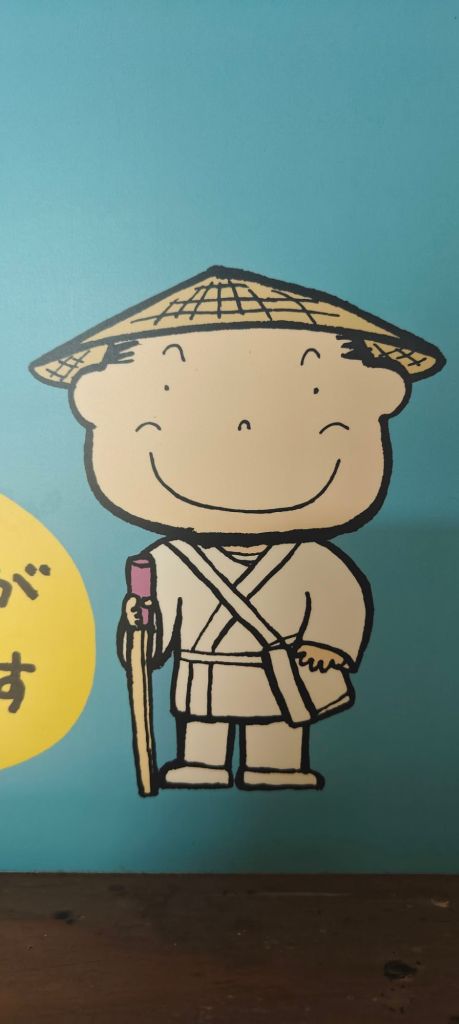
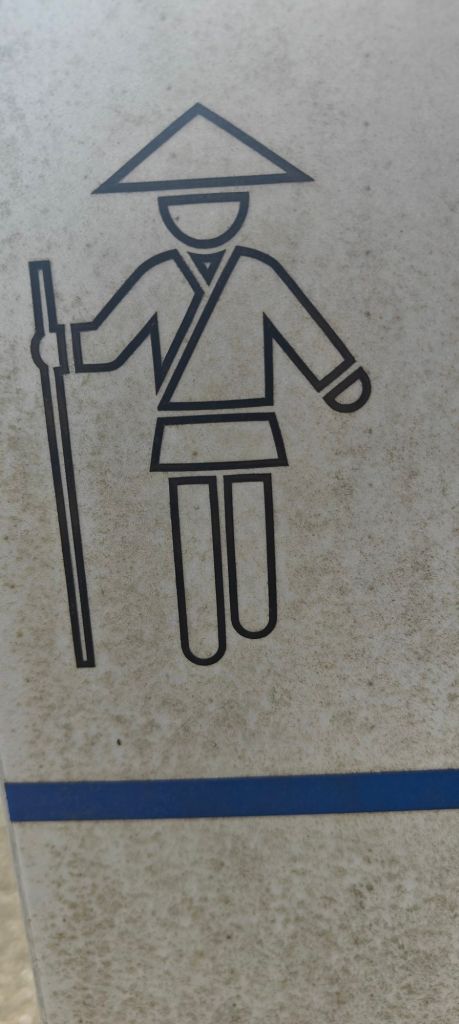
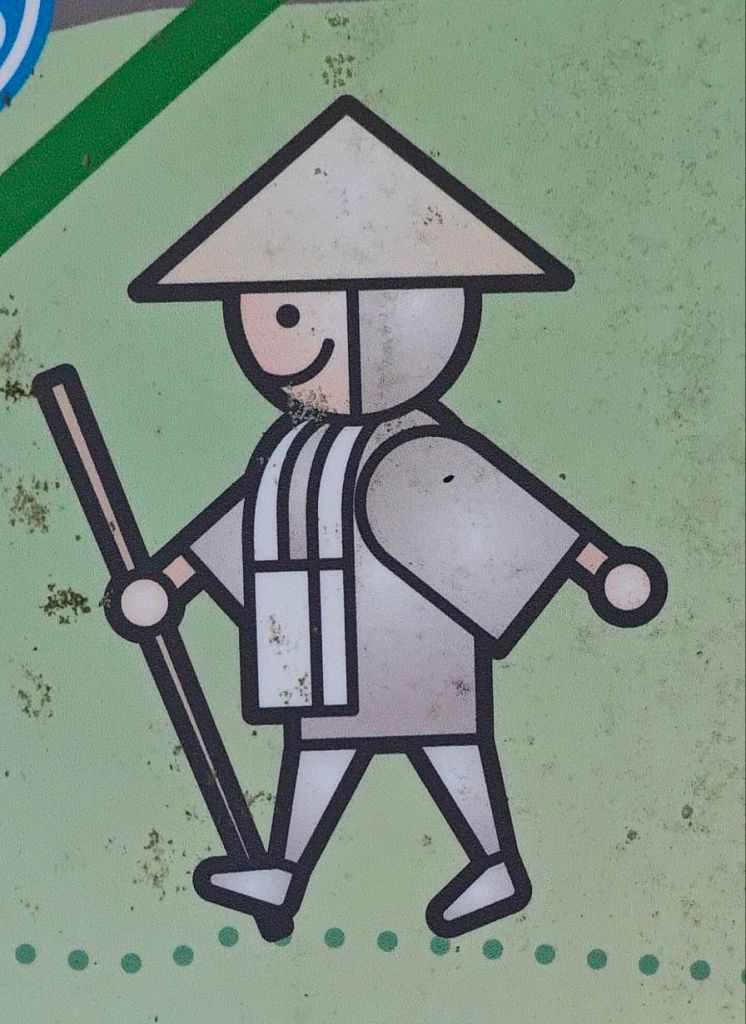
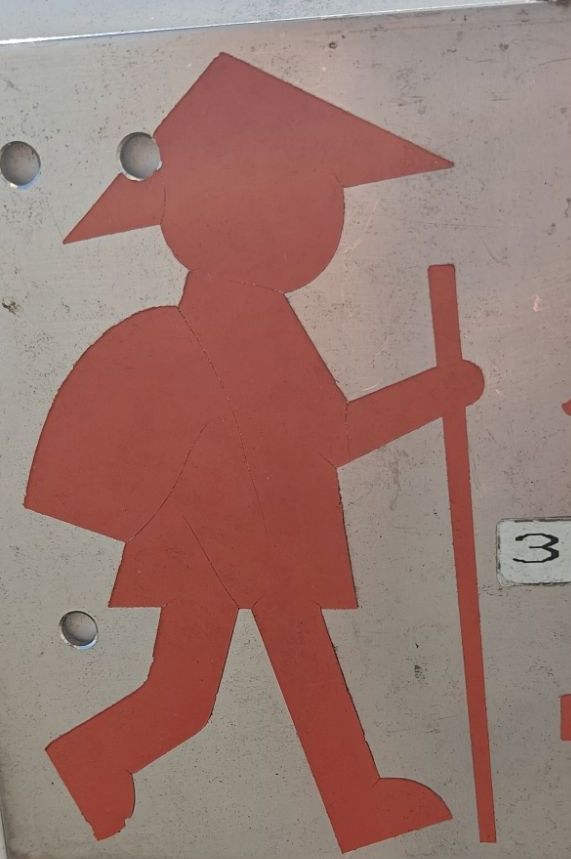
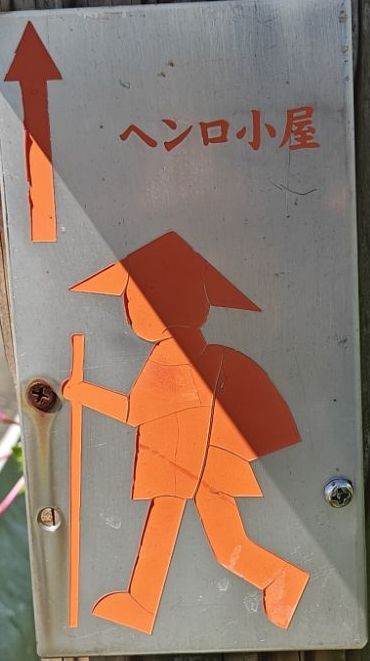
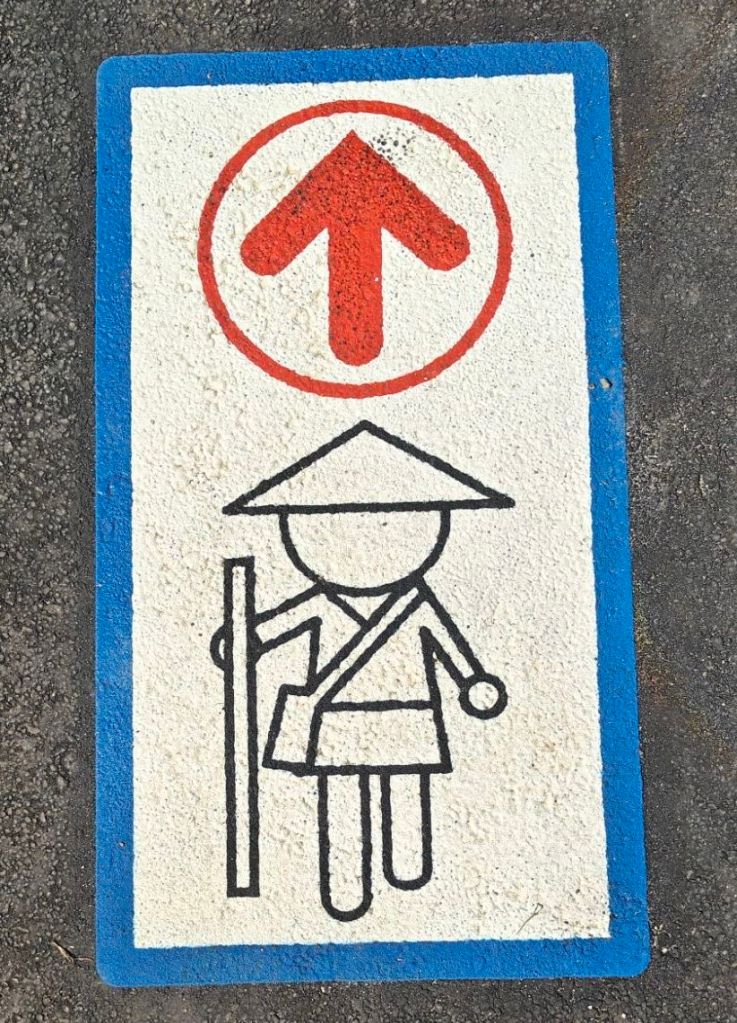
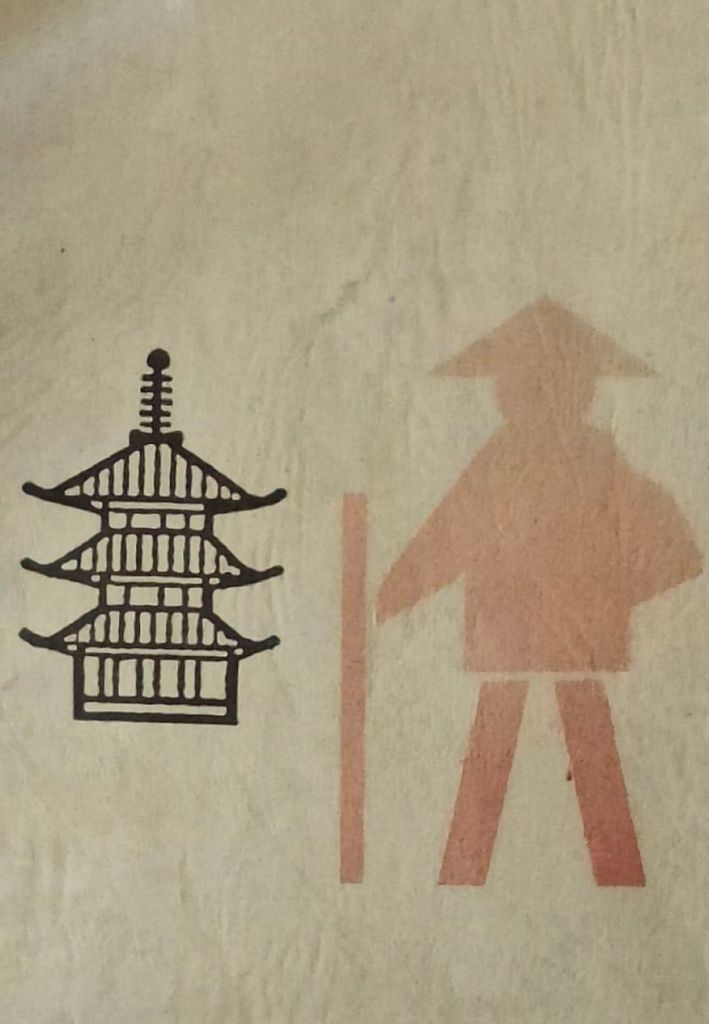
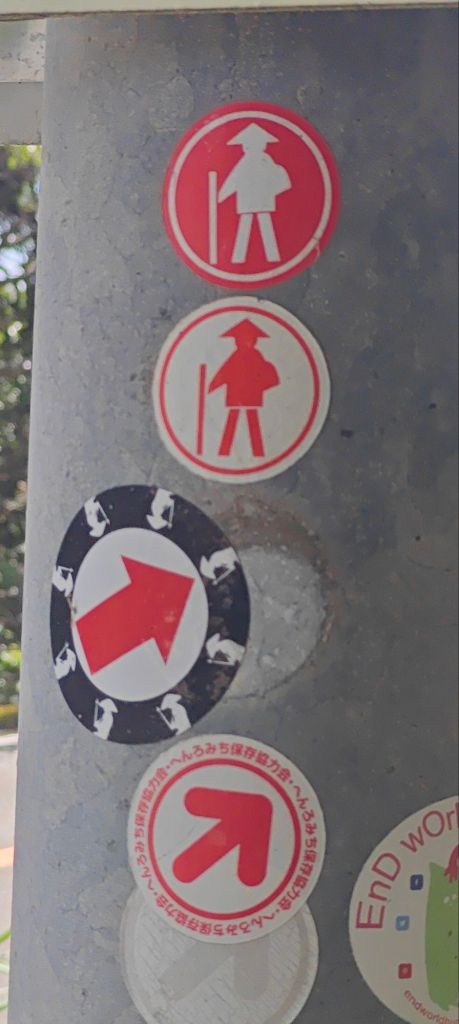
Some of the Henro silhouettes along the way:


Thanks for all the updates. And you meant Natto (fermented soy beans – yum!) I liked it and it freaked out my Japanese friends most Japanese won’t eat it. have fun
LikeLike